 Skip to content


Services / Subsea systems
Subsea systems engineering: flow, thermal and stress analysis
Insulation, heating and control of subsea equipment, pressure drop and flow distribution of lines, and stresses in seals and plugs. CFD++ and Adina, with an analytical model when the thermal inertia is too large to simulate directly.
Approved supplier of a global oilfield services company, in the United States and in Brazil, with a long-term contract for subsea system simulations.
Subsea equipment track record
- Global supplier approvalLong-term contract, in the United States and in Brazil, after test cases of nonlinear FEA, contact and erosion CFD.
- Insulation approvedA new, lighter insulation for the lines that connect the well to the surface was approved thanks to the contribution of ATS.
- Heating system approved by the operatorThe client used the results to size the lab test with ATS design recommendations.
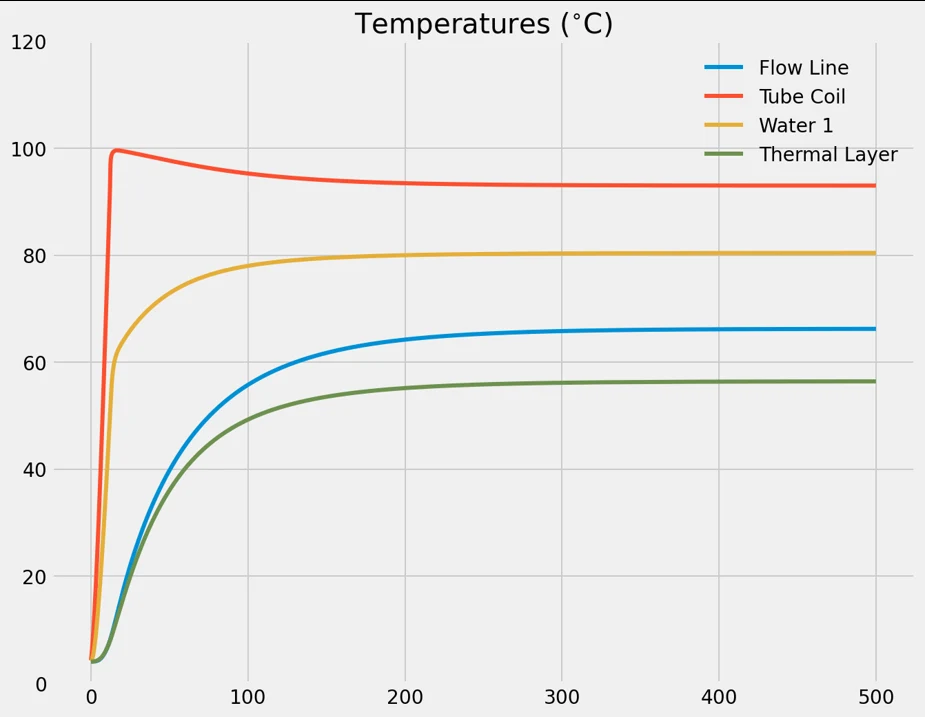
- Time to settle near 300 hoursA 5th-order lumped model with 9 masses, validated with CFD, made the long transient fast to run.
- Test planningA test rig for a tensile test with heating was checked before the test was made.
Complete solutions, from the model to the test
We prefer whole projects to isolated simulations: ATS responsible for the analysis, the design recommendations and the sizing of the test.
Thermal, flow and stress
One team covers the three analyses of subsea equipment, so the results of one feed the others.
Control included
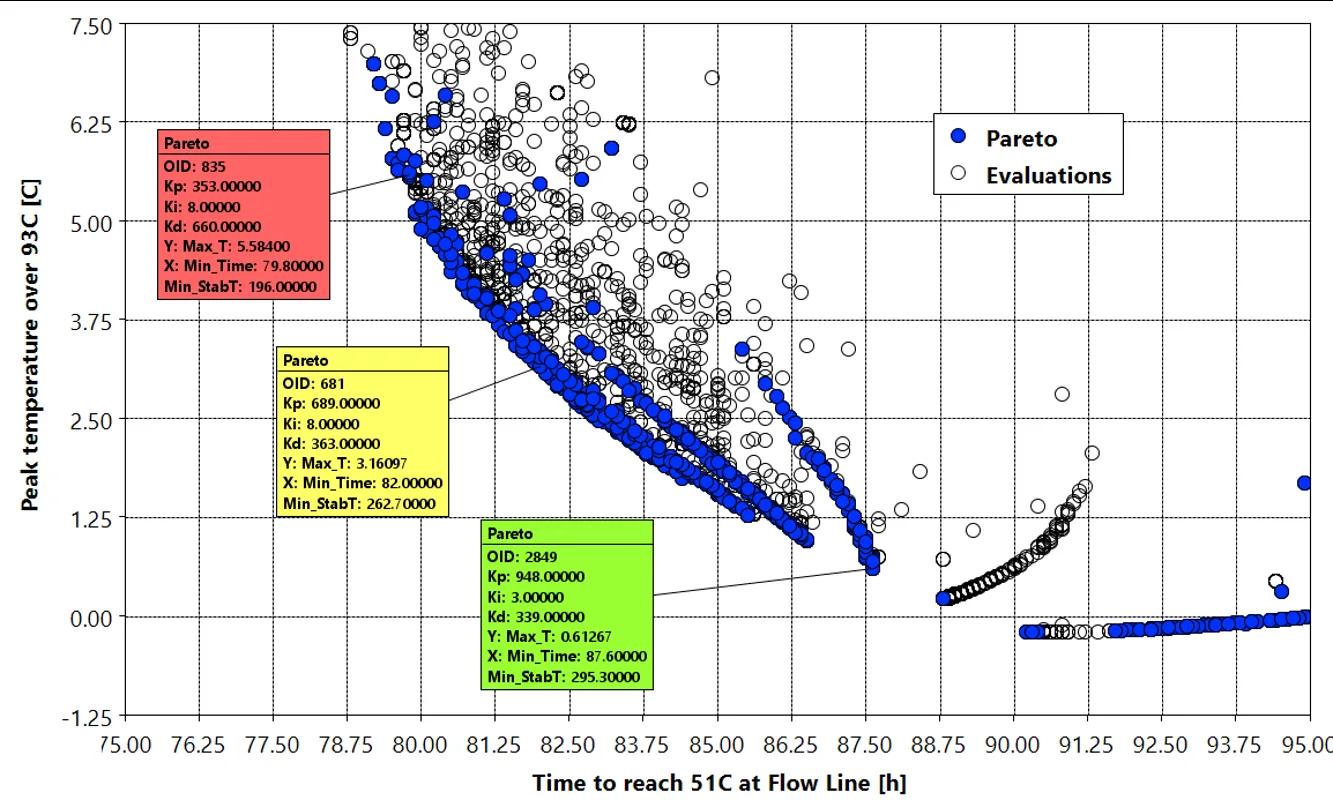
For heated equipment, the PID gains are optimized in the same project, for minimum overshoot and for the temperature of the flow line.
Review of client data
We review test data of the client, make a critical review and put it in the report format of the operator.
Need only a part? We define the scope with you.
What you receive
Thermal insulation
Material and thickness studied for lines that connect the well to the surface, in the format of the operator report.
Heating and control
Transient thermal model of a heating system, with PID control tuned by multi-objective evolutionary optimization.
Pressure drop and flow
Several pipe and junction configurations of the line between the well and the surface, with Newtonian and non-Newtonian fluids.
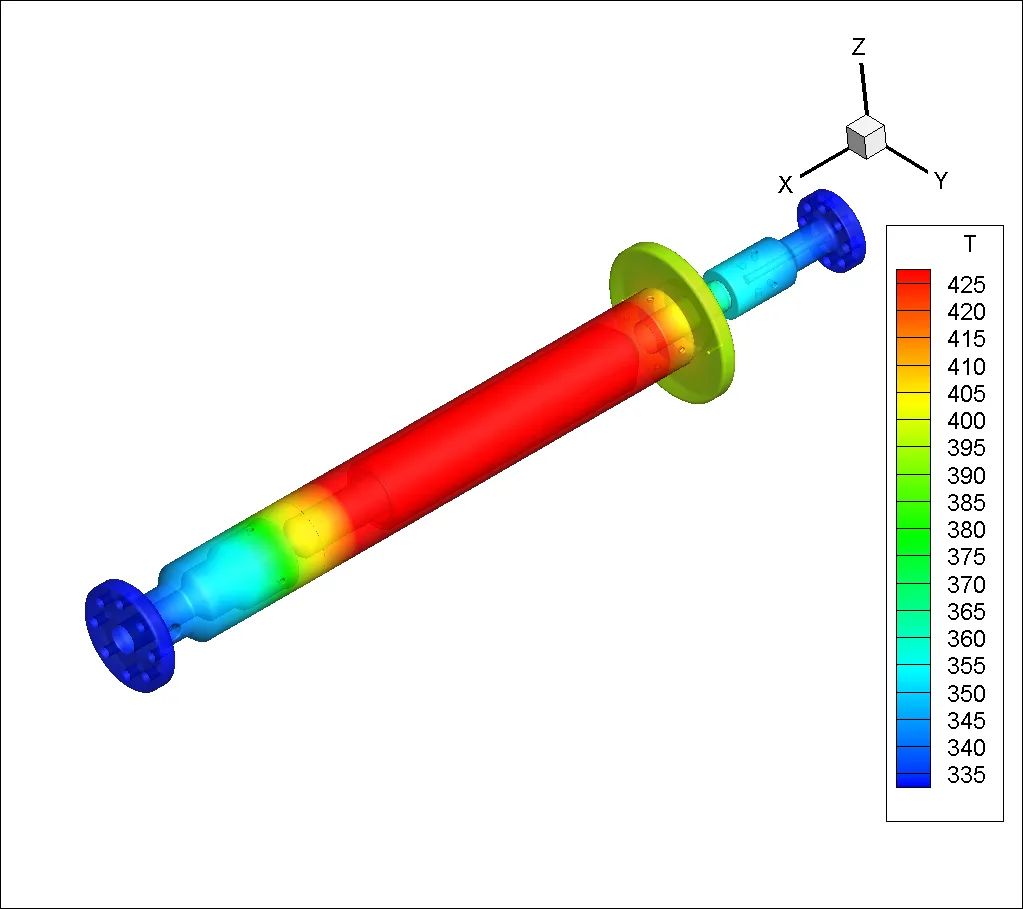
Temperature in equipment
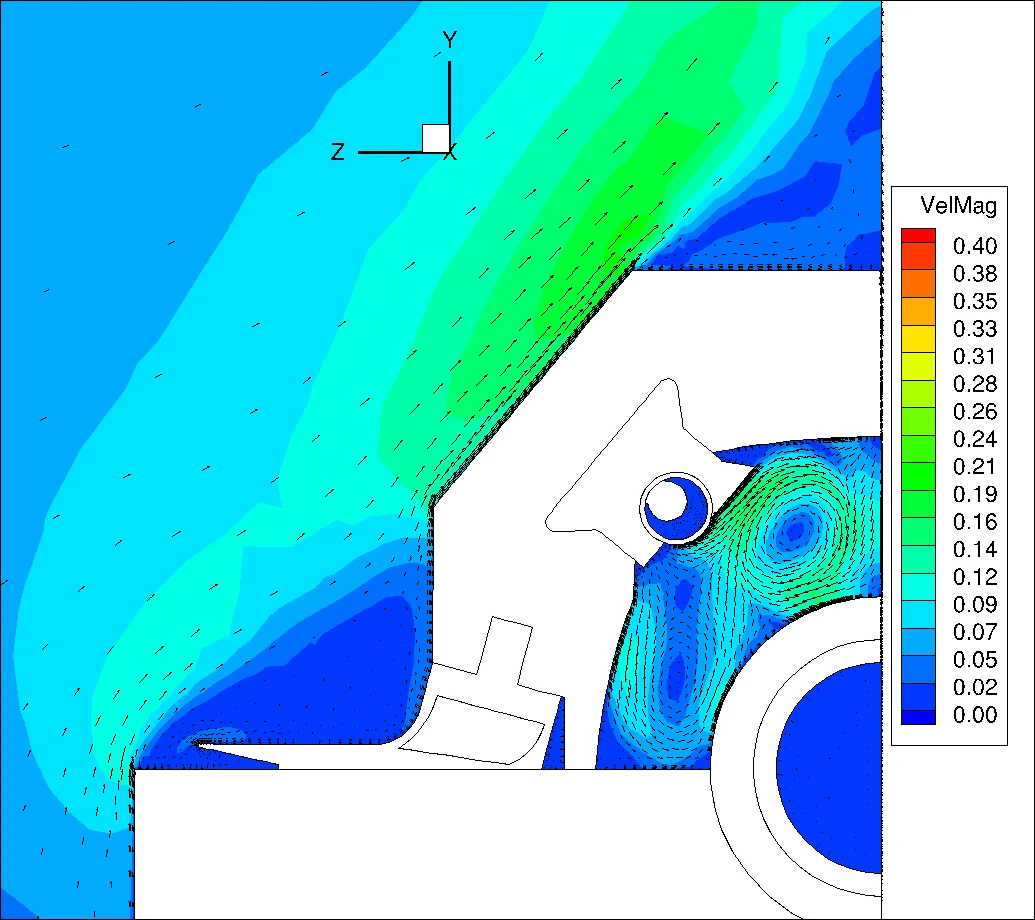
Natural convection, radiation and forced external convection, where an FEA with solids only is not enough.
Stresses and sealing
FEA with hyperelastic materials, fluids and solids, and the contact and sealing of O-rings.
Design recommendations
Limits of the design understood before tests and manufacturing, with cost savings.
Why subsea thermal analysis is hard
The challenge
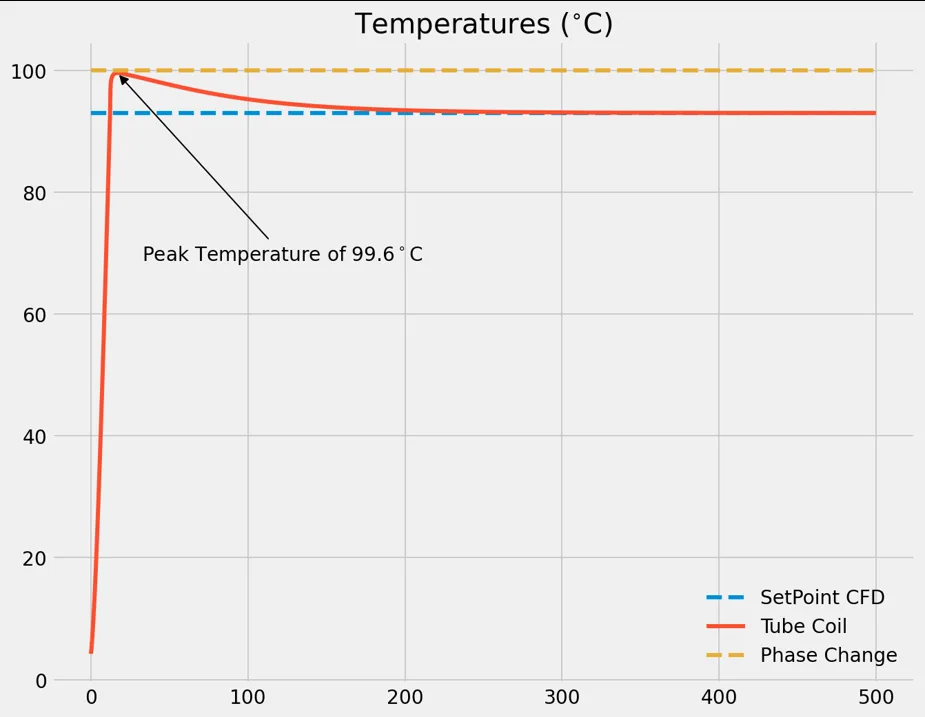
Thermal analysis of subsea systems at great depth is one of the challenges of pre-salt operation. The ocean temperature can reach 4 °C, and the equipment needs heating by the fluids or by dedicated heaters.
There is a limit to avoid interrupting the operation because of paraffins in the crude oil, which must be extracted above 40 °C.
The method for a heated subsea line
The system had air, insulation, water and metal, heated under PID control, with a settling time near 300 hours. This large inertia was a challenge, so ATS ran a steady-state CFD analysis and built an analytical model from the CFD constants to speed up the analysis.
The model was implemented in Nsp (similar to Scilab and MATLAB), which calculates the transient after validation with CFD. It was a 5th-order lumped model with 9 masses.
Control and validation
The control constants (Kp, Ki and Kd) were found with the iChrome Nexus optimizer, using multi-objective and multi-parameter evolutionary (genetic) optimization, to minimize settling time and overshoot and to keep stability.
Python evolutionary optimization (yabox and scipy) validated the model against the CFD++ results for temperature and power, which gave the convective heat transfer coefficients.
Stresses and sealing
ATS also studied stresses and deformations of subsea equipment with FEA (Adina), with hyperelastic materials, fluids and solids, and the contact between surfaces and the sealing by O-rings. The client learned the limits of the design and could go on with tests and manufacturing, with cost savings.
Tools, and where each one fits
Tools serve the engineering work. We say what each one does in the project.
| Tool | Role in the project | Status |
|---|---|---|
| CFD++ | Fluid flow, heat transfer, combustion and particles in 3D. ATS is the exclusive CFD++ representative in Brazil. | Licensed |
| Adina | Stresses, contact, hyperelastic materials, fluids and solids. | Licensed |
| Femap, NX Nastran, Adina | Stress analysis, contact, hyperelastic and nonlinear materials, thermal and fluid-structure coupling. | Licensed |
| iChrome Nexus | Optimizer and manager of complex CAD, CFD and FEA workflows. | Licensed |
| Nsp, Python (yabox, scipy) | Analytical lumped model, transient and optimization, with no license needed. | In use |
| MATLAB | Control and dynamics, run with the client’s license; Python, Nsp and Scilab replace it when none is provided. | Client license |
Evidence you can check
Work for oilfield services and subsea engineering companies.
Project work
| Project | What we did | Tools and tests | Result or venue |
|---|---|---|---|
| Oceaneering and Shell: heating of a subsea line (HVMI)Project | Heating system to remedy the flow in ducts on the seabed, in deep water. Air, insulation, water and metal, with PID control. | Steady-state CFD++, 5th-order lumped analytical model in Nsp, optimization in iChrome Nexus, validation in Python. | Operator approved the result. The client sized the lab test with ATS design recommendations. Several design problems detected and solved. |
| Ogramac and Petrobras: new insulation materialProject | A new, lighter insulation material for the lines that connect the well to the surface. Test data of the client reviewed and put in the format of the operator report. | Critical review of the test data. | The new insulation was approved thanks to the contribution of ATS. |
| Constellation: pressure drop and flowProject | Several pipe and junction configurations for the line that connects the oil well to the surface. | CFD++ with Newtonian (water) and non-Newtonian (oil) fluids. | Best configuration found. The client went on with the project, saving time and resources by cutting the test campaign. |
| Halliburton: temperature in a test setupProject | Feasibility of a setup to test a sample-collecting part that must be heated and pulled in a tensile test, with the machine interface kept cool. | CFD++ with radiation and natural convection, and an alternative with forced external convection. The first request was FEA with solids only. | A more complete solution. The client ran the test with no problems. |
| Halliburton: subsea equipment, stresses and sealingProject | Stresses and deformations of a subsea equipment, including the sealing of O-rings. | FEA with Adina, hyperelastic materials, fluids, solids and contact. | Limits of the design understood. Cost savings in the project. |
| Halliburton: supplier approvalProject | Test cases of nonlinear FEA, contact and erosion CFD in system components. | Nonlinear FEA and contact, and erosion CFD. | Approved as a global supplier, in the United States and Brazil, with a long-term contract for subsea system simulations. |
Examples
Select an image to see each example.
1 / 4
PID optimization
Pareto front: peak temperature against heating time.
Request a technical proposalHow an engagement runs
Diagnosis and goal
We define the problem, the operating conditions and the target with your team.
Model
The geometry of the equipment is prepared and the physics that apply are chosen.
Analysis
Numerical calculation based on the applicable physical principles.
Checks and validation
Results are checked for consistency and compared with tests, plant data or the literature.
Solution and report
Design of the solution, specification of the test when needed, and the report.
Follow-up
Support in the field test or in operation, and revisions.
Related services
Questions engineers ask before they hire us
How do you simulate a system that takes 300 hours to settle?
With a steady-state CFD++ analysis and an analytical lumped model built from its constants, validated with CFD. The model calculates the transient fast and is used to tune the control.
Do we need to give a license for the control models?
No, when the model is made in Nsp or Python, which need no license. MATLAB is used with the client’s license when the client prefers it.
Can you review test data and make the report in the operator format?
Yes. For an insulation manufacturer, ATS reviewed the test data critically and put it in the report format of the operator, and the new insulation was approved.
Is our data kept confidential?
Yes. We work under NDA, and your design data and reports stay with you.
Tell us about the equipment and the depth
Send the equipment, the operating conditions and the question you need answered.
Email
sales@aerothermalsolutions.coPhone
+55 11 3854-4224OfficeAv. Pompéia, 634, cj. 107, São Paulo, SP, Brazil.
An ATS engineer replies. We work under NDA.