 Skip to content


Services / Multifluid and multiphase
Multiphase flow engineering: gas, liquid and particles
Dust collection, cyclones, ejectors, gasifiers and pollutant dispersion, studied with CFD++ and checked with tests. Particles are followed with Eulerian and Lagrangian methods, as the case requires.
Work for mining companies and for industry, with results validated in pilot plants, in tests and by the client.
Multiphase flow track record
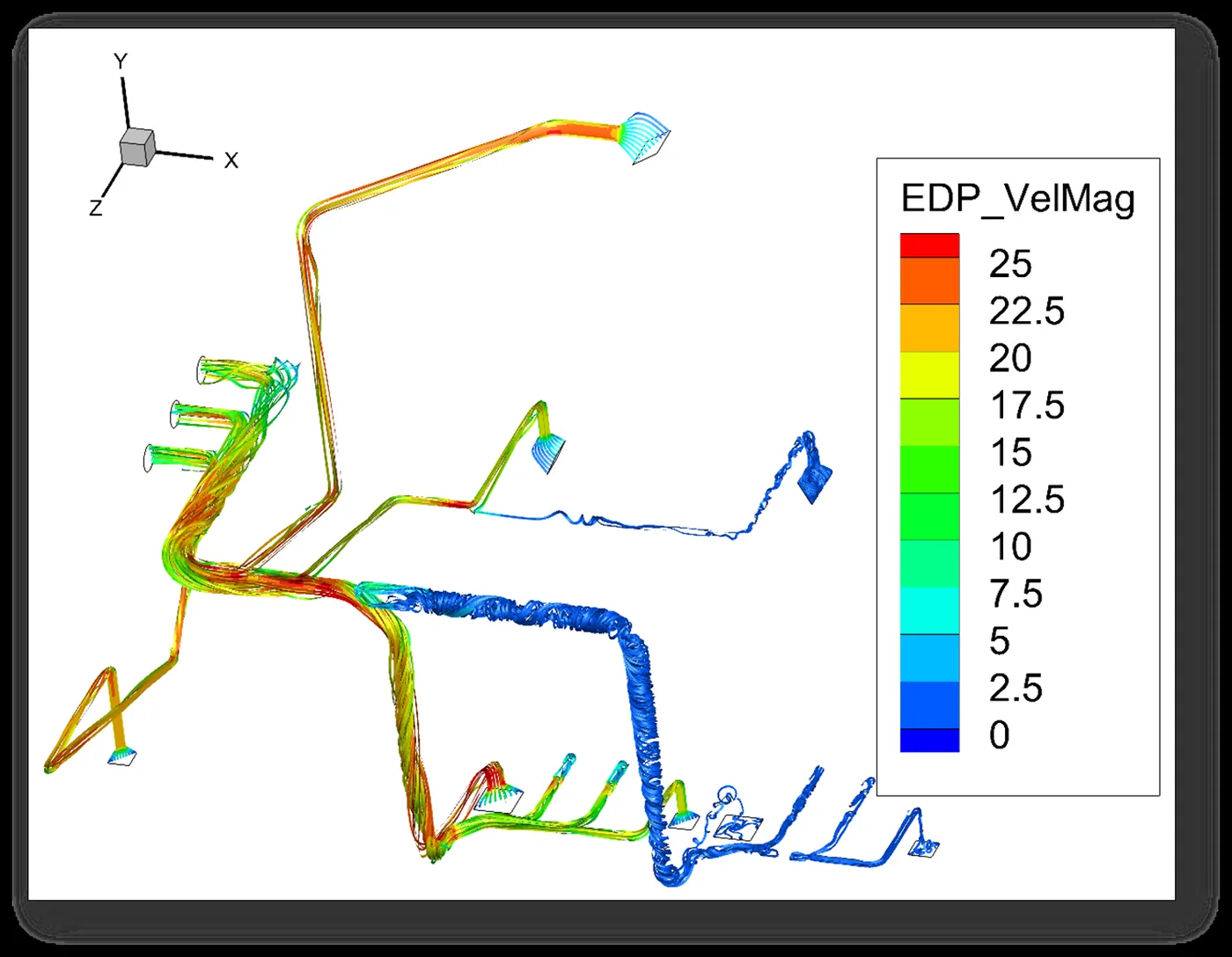
- Dust collection: 24% to 41%Efficiency gain in pressure drop and particle collection, with more uniform flow through the filters and less filter maintenance.
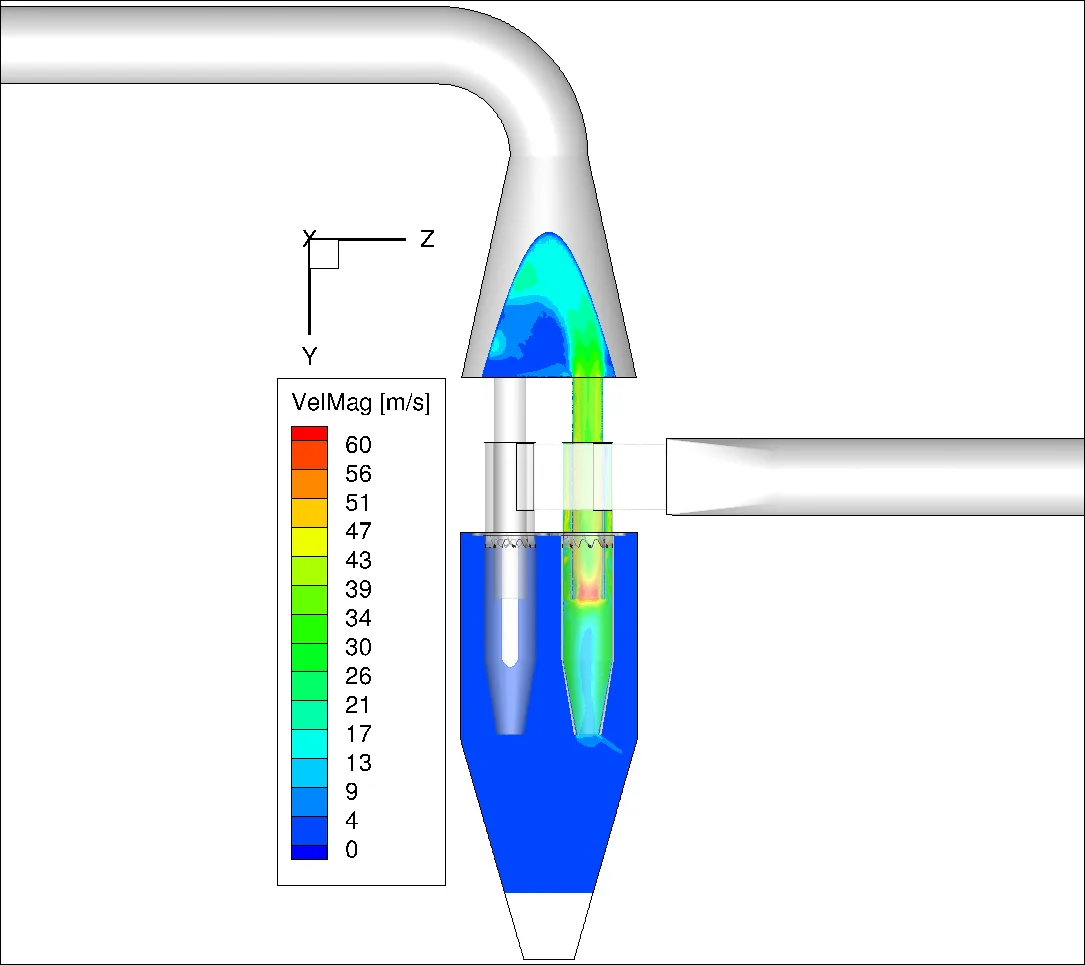
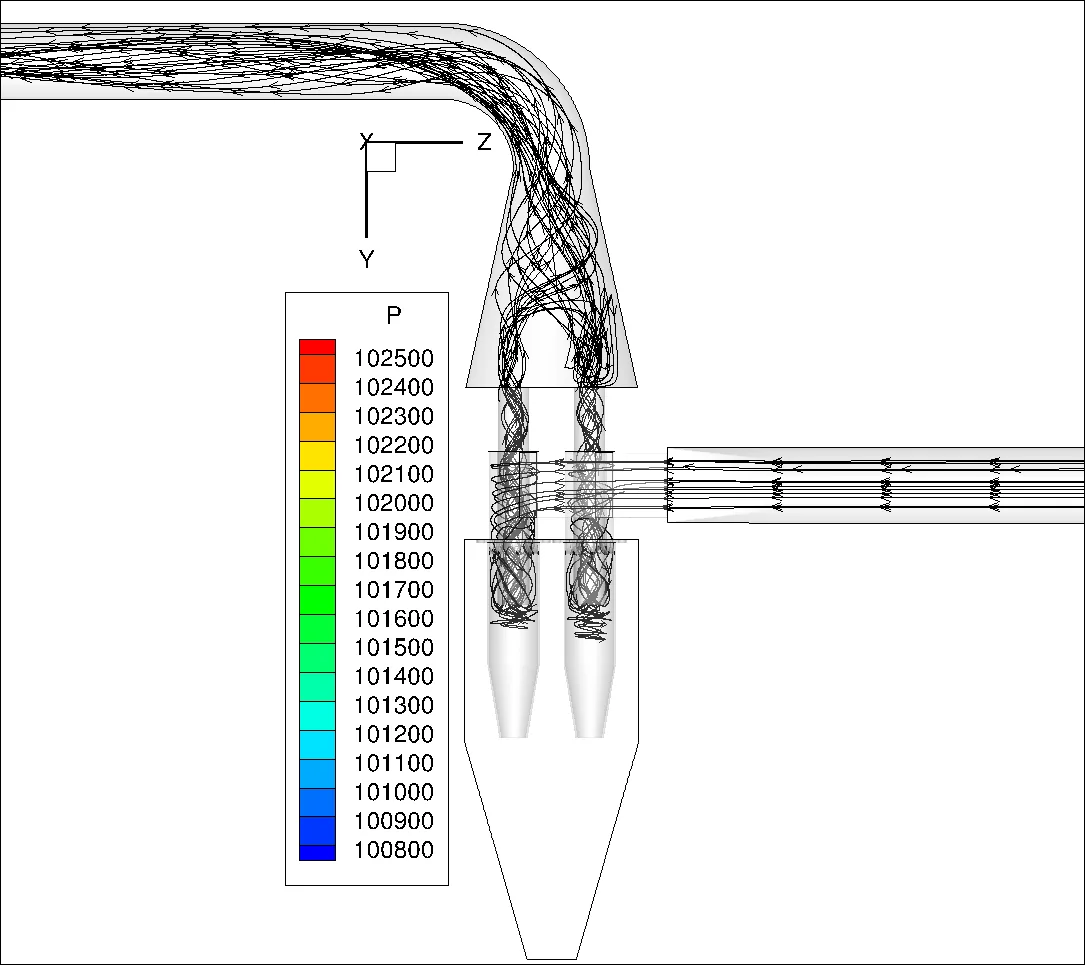
- Micro-cyclones tested in a pilot plantThree configurations analyzed in CFD, designed for future environmental limits.
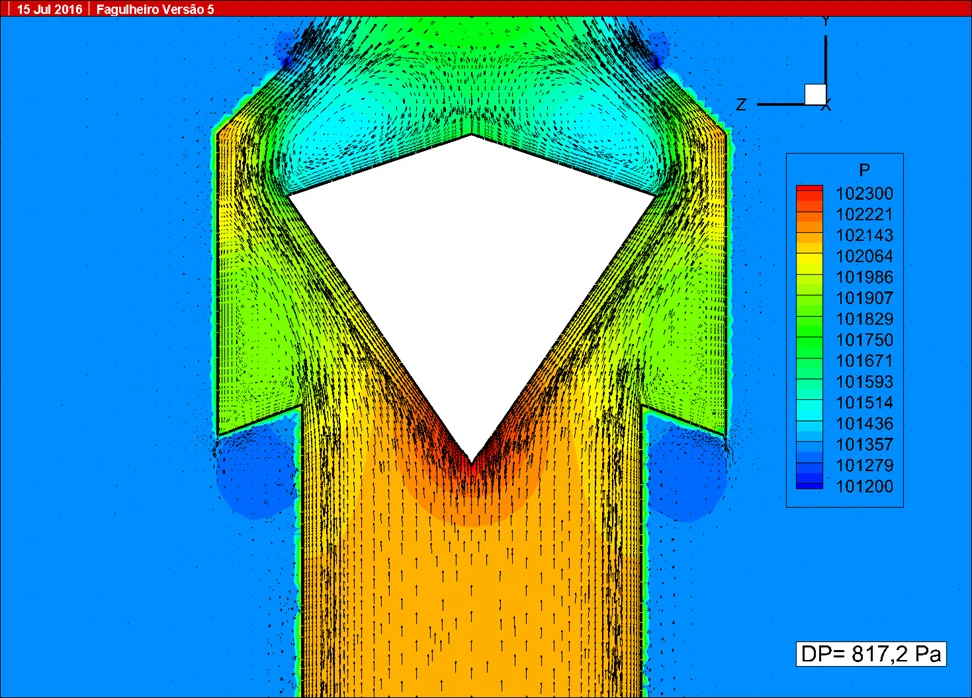
- Ejector with a client patentAn innovative design that generated a patent for the client, checked with a test.
- Report sent to the agenciesDispersion of NOx and CO calculated for 1 hour, 24 hours and 1 year.
Complete solutions, from the model to the pilot plant
We prefer whole projects to isolated simulations: ATS responsible for the analysis, the design of the equipment and the plan of the test.
Equipment and network
From a single cyclone to the whole duct network, hoods and filters, with the flow distributed as it should be.
Environmental studies
Dispersion of pollutants in the atmosphere, in the format required by the environmental agencies.
Test and validation
Pilot plant, test or measurement used to check the CFD and to know the margin of error.
Need only a part? We define the scope with you.
What you receive
Dust collection systems
Hoods, ducts and manifolds with better flow distribution, pressure drop and filter uniformity.
Cyclones and micro-cyclones
Balance between particle collection and pressure drop, for all particle diameters, with the least impact on production.
Ejectors
1D calculations from the literature checked and sized with CFD.
Gasifiers and particle measurement
Velocity profile and a measurement method adapted to the flow found with CFD.
Particle separation and deposition
Thermophoresis, deposition and the selection of the separation technology.
Pollutant dispersion
WRF, AERMET and AERMOD for NOx and CO, with the report for the agencies.
How we model gas, liquid and particles
Multifluid and multiphase CFD
Many industrial flows have more than one fluid or phase: gas with solid particles, liquid with gas, or fluids with different properties. ATS uses CFD++ to study them in 3D, with the turbulence and the physics that the case requires.
Eulerian and Lagrangian particles
Particles are treated as a continuous phase (Eulerian) or followed one by one (Lagrangian), depending on the concentration and on what must be answered. For dense beds, ATS can couple the CFD to a discrete element method (DEM).
Validation
We check the CFD against a test, a measurement or a pilot plant whenever it is possible, so the client knows the margin of error of the simulation before using it to decide.
Tools, and where each one fits
Tools serve the engineering work. We say what each one does in the project.
| Tool | Role in the project | Status |
|---|---|---|
| CFD++ | Fluid flow, heat transfer, combustion and particles in 3D. ATS is the exclusive CFD++ representative in Brazil. | Licensed |
| Tecplot 360 EX | Post-processing and automation macros, including erosion rate calculation. | Licensed |
| WRF, AERMET, AERMOD | Meteorology and dispersion of pollutants in the atmosphere. | Certified |
| Lakes AERMOD View and AERMET View | Lakes Environmental graphical interface for AERMOD and AERMET, with WRF meteorology (through MMIF). | Per project |
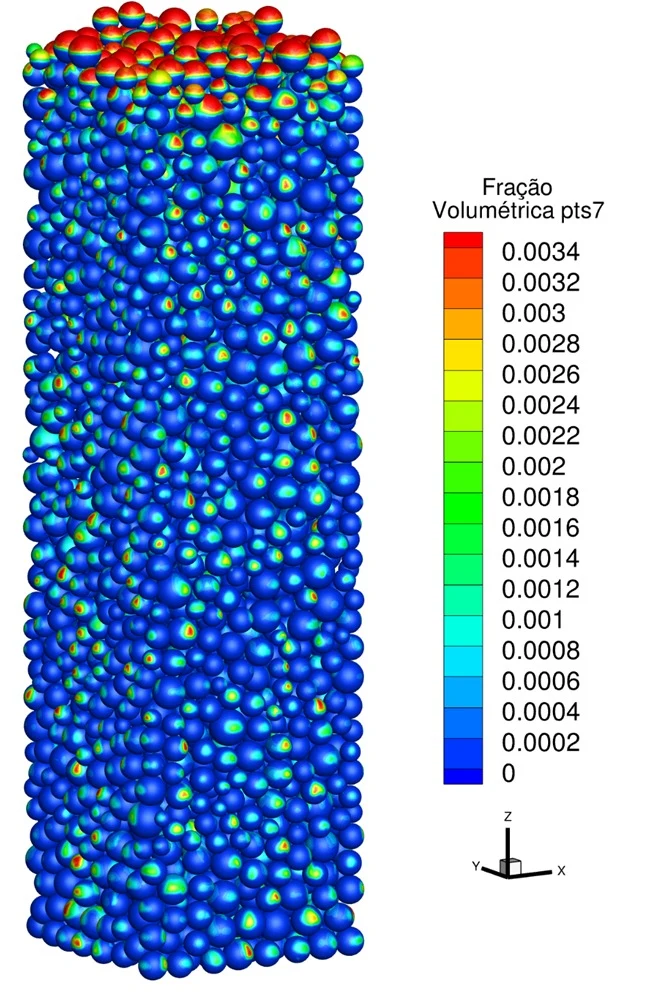
| LIGGGHTS | Discrete element method (DEM) to stack particle beds, such as the pellet bed on the grate car, later used in the CFD. An open-source version, LIGGGHTS-PUBLIC (GPL, based on LAMMPS), is available. | Per project |
| MATLAB | Control and dynamics, run with the client’s license; Python, Nsp and Scilab replace it when none is provided. | Client license |
Evidence you can check
Work for mining companies and for industry.
Project work
| Project | What we did | Tools and tests | Result or venue |
|---|---|---|---|
| Ternium: dust collection systemProject | Excess of particles in the air from the crushers of the plant. | CFD of hoods, ducts and manifolds. | New system developed and validated. Efficiency up from 24% to 41% in pressure drop and particle collection, more uniform flow through the filters, less filter maintenance. |
| Tevisa: micro-cyclonesProject | Excessive emission of particulate matter into the atmosphere. | Three configurations analyzed in CFD, for all particle diameters, with the lowest impact on production. | Micro-cyclone developed for future environmental limits, and tested successfully in a pilot plant. |
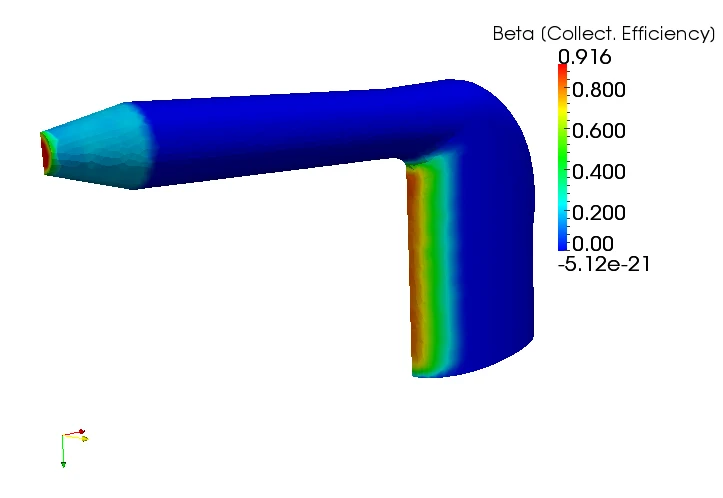
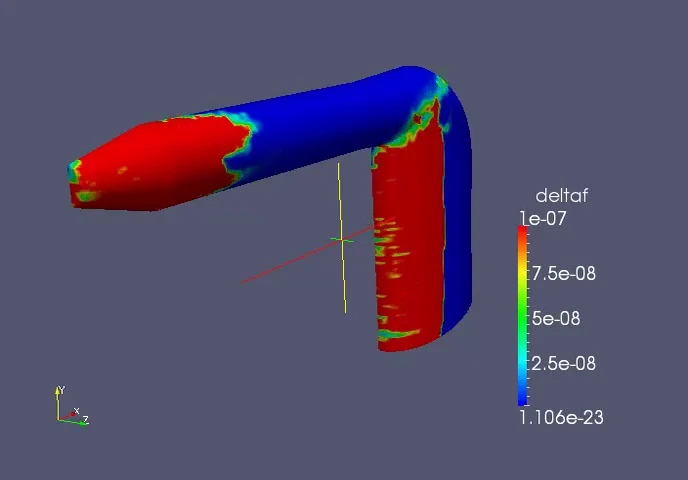
| Tevisa: particle separationProject | Coarse, soot-like particles dispersed from the stacks of the plant, affecting nearby communities. | CFD and tests to select and design the separation technology, in an R&D program. | Thermal insulation of the stacks reduced thermophoresis. A commission with community representatives, environmental analysts and technicians was organized, and the R&D program started. |
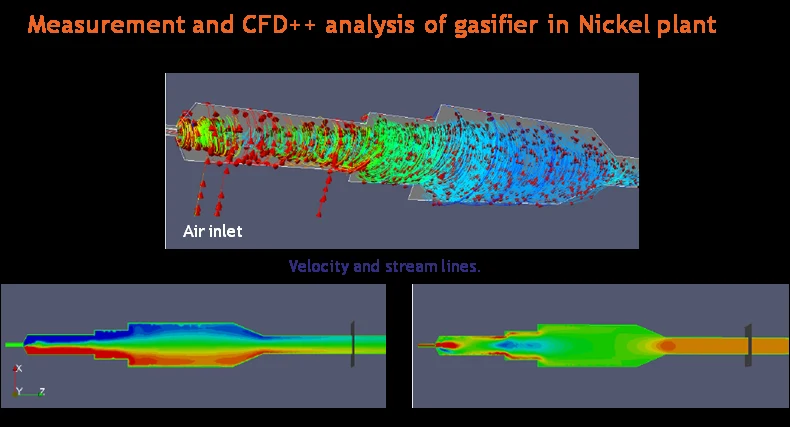
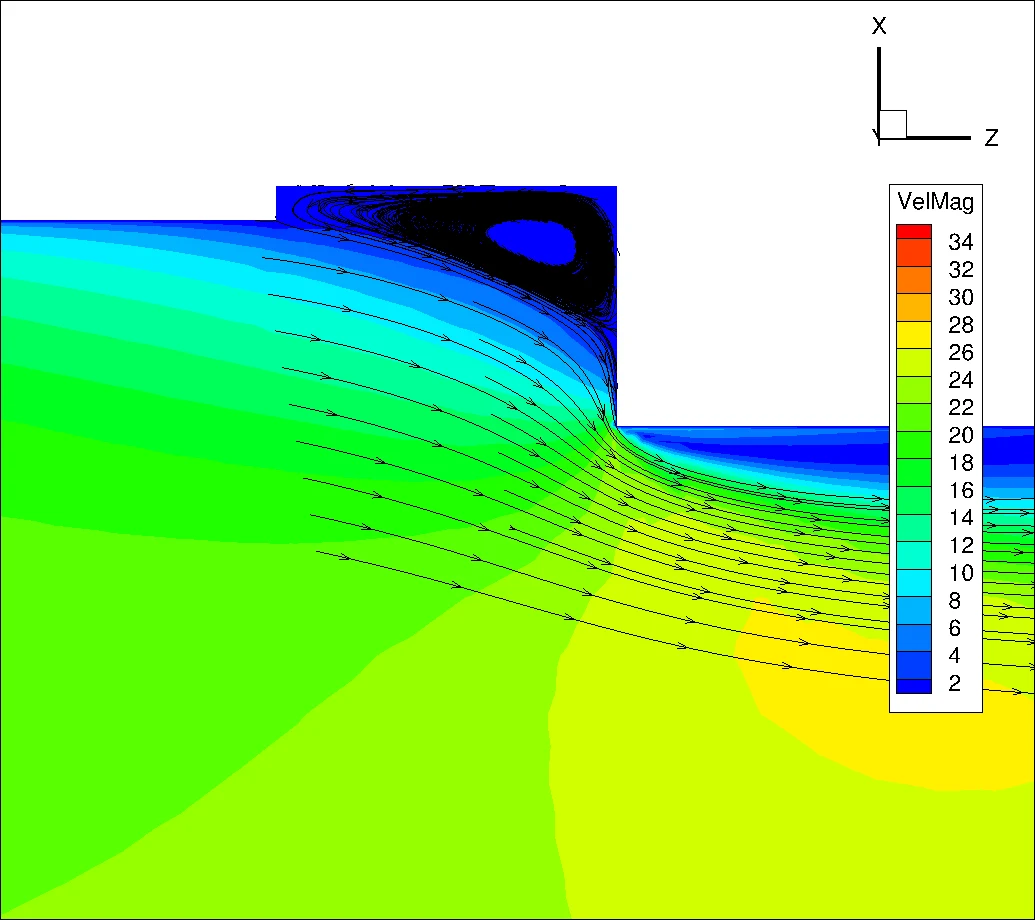
| Votorantim Metais: cyclonic gasifier, particle measurementProject | CFD of a cyclonic gasifier. | Velocity profile checked, and the particle measurement method adapted. | Distortion of the velocity profile found, a non-isokinetic condition at the outlet, and the mass balance checked after the adaptation of the measurement. |
| Ultragaz: ejector for synthesized natural gasProject | Ejector to mix LPG and air to form synthesized natural gas. | CFD used to confirm 1D calculations from the literature. A test validated the CFD and gave the margin of error. | Ejector sized with CFD. Innovative design that generated a patent for the client. |
| Tevisa: dispersion of pollutantsProject | Dispersion of pollutants in the atmosphere. | WRF as input to AERMET, and AERMET to prepare AERMOD. | Forecast of NOx and CO for 1 hour, 24 hours and 1 year. Report submitted to the environmental agencies. |
Examples
Select an image to see each example.
How an engagement runs
Diagnosis and goal
We define the problem, the operating conditions and the target with your team.
Model
The geometry of the equipment is prepared and the physics that apply are chosen.
Analysis
Numerical calculation based on the applicable physical principles.
Checks and validation
Results are checked for consistency and compared with tests, plant data or the literature.
Solution and report
Design of the solution, specification of the test when needed, and the report.
Follow-up
Support in the field test or in operation, and revisions.
Related services
Questions engineers ask before they hire us
When do you use Eulerian or Lagrangian particles?
It depends on the concentration of particles and on the question. The choice is made with the client at the start of the project.
Do you check the CFD with tests?
Whenever it is possible. The ejector was checked with a test, and the micro-cyclone with a pilot plant.
Can you make the dispersion study for the environmental agencies?
Yes. ATS ran WRF, AERMET and AERMOD for NOx and CO, and the report was submitted to the agencies.
Is our data kept confidential?
Yes. We work under NDA, and your design data and reports stay with you.
Tell us about the flow and the particles
Send the equipment, the operating conditions and the question you need answered.
Email
sales@aerothermalsolutions.coPhone
+55 11 3854-4224OfficeAv. Pompéia, 634, cj. 107, São Paulo, SP, Brazil.
An ATS engineer replies. We work under NDA.